Farmers & farm businesses

Sell farm products online. Keep the farm as the priority.

For a farmer who wants to sell farm products online, product fit comes first. The range has to travel well, hold its margin after packaging and fees, and reach the buyer in good condition. We build the direct channel around that workable range and handle the daily store work.

  • Keep more of the direct-to-consumer margin
  • Shippable, value-added products first
  • No marketplace admin during the working day
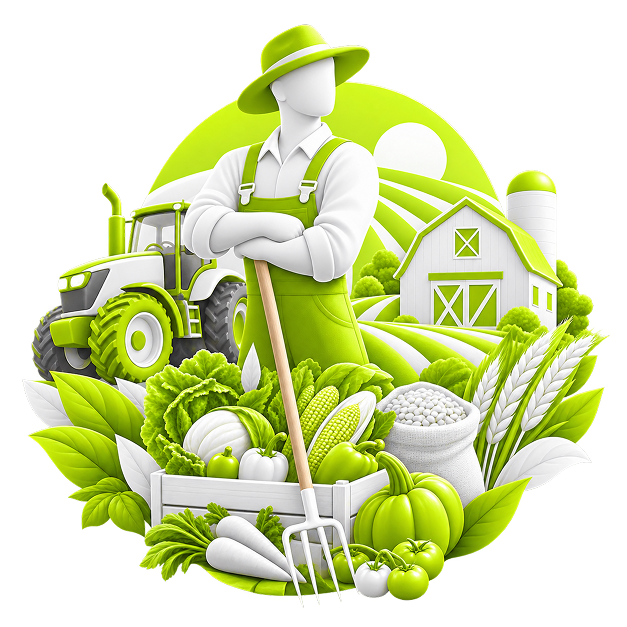
Sell Farm Products Online - a farmer with a pitchfork in front of a barn and tractor

Why hand this over

Online Sales Need Desk Time. The Farm Already Has A Job.

Farming already fills the day. Ecommerce adds a different kind of work: listings, stock checks, buyer questions, returns and platform rules. Those tasks arrive during normal business hours, usually when you are in the field, with livestock or dealing with the next job on the farm.

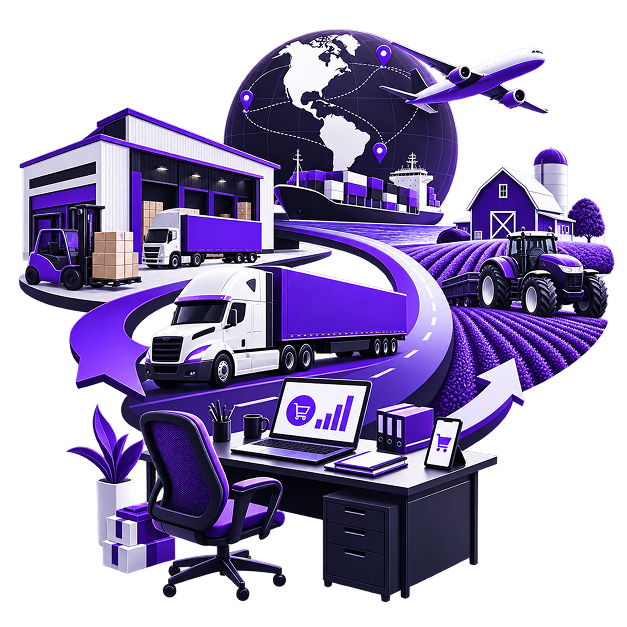
Sell Farm Products Online - a desk with a laptop showing store sales below a haulage lorry

The Farm Calendar Comes First

Harvest, lambing and weather do not move for marketplace messages.

Peak weeks are fixed by the season, not by the store. If online sales depend on you finding spare time, the channel will go quiet when the farm gets busiest. A managed operation keeps the routine work moving while you stay where the farm needs you.

The Range Has To Work In A Parcel

Fresh produce is often the hardest product to sell through standard courier networks.

Shelf life, weight, packaging, temperature and handling can rule products out quickly. For many farms, processed, preserved or other value-added products are the more practical starting point. That decision comes before a listing goes live, not after a damaged or spoiled order.

A working studio desk where store and brand decisions are planned.

From farm gate to online order

Direct-to-consumer sales without another stall to staff

A farmers market or farm shop can bring you closer to the customer, but both still need your time. Farm to consumer ecommerce gives you another route for direct-to-consumer farm sales. It works when the range can be packed, shipped and supported consistently, with daily online work handled away from the farm.

  • Start with what travels well Shelf life, packaging, weight and carrier handling decide which products belong in the online range.
  • Use value-added products where they fit Processed, preserved or other value-added products can make more sense online than highly perishable stock.
  • Built around the farm calendar The store keeps operating through peak farm weeks, which can support seasonal income smoothing without asking you to add another shift.
  • Daily operations handled for you If you are researching passive income for farmers, ecommerce still needs daily work. The managed model moves that routine work away from your schedule while you retain ownership and oversight.
Talk it through with us

Where we work

Online store for farm business, built around the right channel

The right channel depends on the product, the buyer and the cost of getting an order there safely. Listings are adapted to each marketplace’s fields, media rules, fees and browsing habits rather than copied from one platform to another.

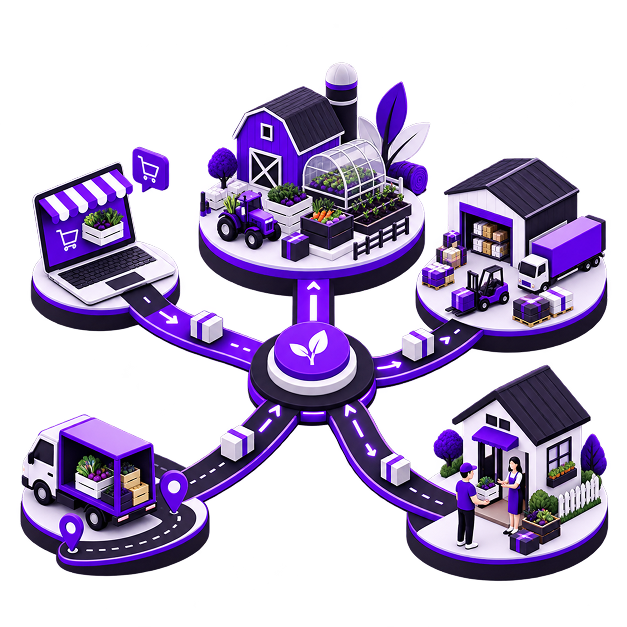
Sell Farm Products Online - a farm with a barn, greenhouse and crop crates at the top of a route network running out

Visibility

You stay on the farm. You still see the numbers.

You already judge the farm on yield, price and cost. Store performance, orders, account health and margin movement are reported at the cadence agreed in your plan.

Performance reporting

Clear reports show what sold, what changed and what needs attention.

Account health monitoring

We track fulfilment, response times, cancellations, returns and policy issues.

A direct line to the team

Questions go directly to the people working on your store.

Off-season store snapshot

Orders

520

+7.6%

Fulfilment rate

97.9%

+1.2%

Response time

2.8h

-18%

Account health

Good

Stable

Order volume through the season

Illustrative figures — not a projection of your store.

What you receive

What your managed farm ecommerce channel includes

A direct-to-consumer channel built around your farm brand and the products that make commercial sense online. The daily operation does not depend on you being at a desk.

  • A store in your name

    The storefront, branding and marketplace account are registered to you and stay that way. You keep ownership of the online asset and customer relationships.

    Included
  • Products chosen for online buyers

    The range is selected around buyer demand and whether the shipping economics work. Your own farm products lead where they fit; unsuitable products stay offline.

    Included
  • Listings built to sell clearly

    Titles, descriptions, images, variants and marketplace fields are built to each platform’s rules, with product information kept current as the range changes.

    Included
  • Suppliers and fulfilment kept on track

    Pricing checks, stock confirmation, packaging needs and order hand-off are managed against the agreed process, with delays chased before they reach a buyer.

    Included
  • Orders and buyer messages handled

    Orders are followed through to confirmed dispatch, and buyer questions are answered in your store’s voice within each marketplace’s response window.

    Included
  • Reporting at your cadence

    You see what moved, what stalled, what the margin looks like and what the team did about it, at the frequency agreed in your plan.

    Included

Questions

Before you move farm sales online

The next step

Sell farm products online without running another shop

We work out what can ship and whether the margin still makes sense after packaging and fees. The workable range becomes the direct-to-consumer channel, while the daily ecommerce work sits with us and you stay focused on farming and agriculture.

No pressure. We will explain what we would handle, what stays with you, and whether the service fits the way your farm actually works.